
Yourhealth,explained.
A free library so you can come to our first appointment with real context, not just symptoms and a hope someone can explain them.

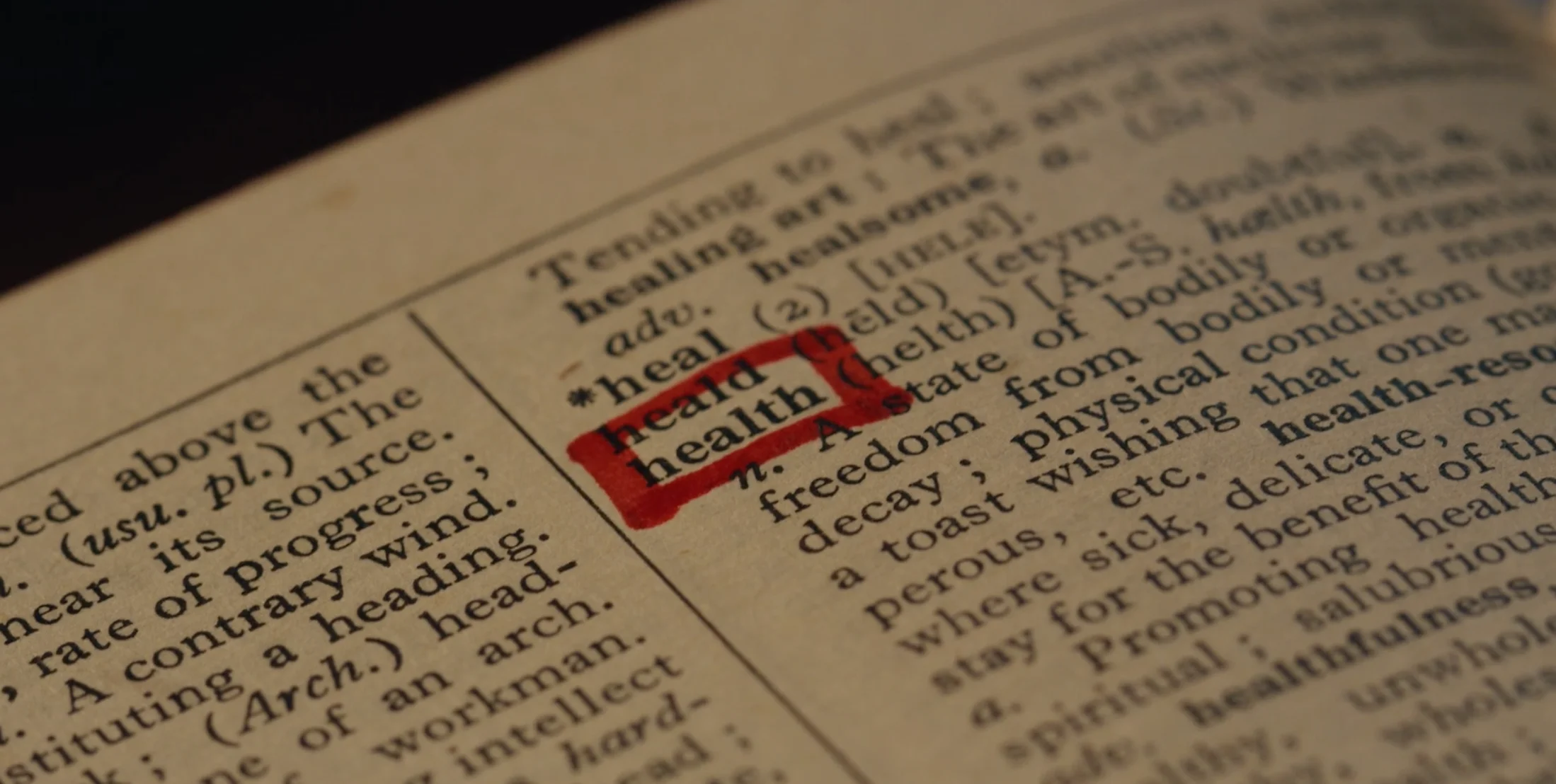
health (helth): a state of bodily freedom from decay.
A library, written the way I'd explain it in the office.
One of the most common things I hear in my first appointments is: “I've been Googling for months and I still don't understand what's happening.”
That frustration is real, and it's not your fault. Most health information online is either too vague to be useful or buried under disclaimers and advertisements.
I built this library to change that. Each section covers a health area I work in regularly: what's driving the condition, how I approach it naturopathically, what the research supports, and what questions are worth asking.
You don't need to be a patient to use it. Browse freely. And if something resonates, I'd be glad to talk.

How to use this library: Choose a health area below, then browse by condition. Each page covers what's happening in the body, naturopathic treatment options, key research, and common questions.
Browse by health area
Ten focused sections covering the conditions I see most often in my practice.
Women's Health
Hormones, cycles, fertility & beyond
Explore →Men's Health
Testosterone, vitality & longevity
Explore →Digestion
Gut health, microbiome & digestive disorders
Explore →Mental Health
Mood, brain fog, stress & sleep
Explore →Toxicity & Detoxification
Heavy metals, mold, chemical load & inflammation
Explore →Weight Management
Metabolism, insulin resistance & body composition
Explore →Autoimmune & Immunity
Autoimmune conditions, chronic fatigue & immune dysregulation
Explore →Infections
Lyme, long COVID, chronic & recurrent infections
Explore →Cardiovascular Disease
Blood pressure, cholesterol & metabolic health
Explore →Children's Health
Eczema, allergies, digestion & developmental support
Explore →
“Healing starts with understanding what's actually happening in your body.”
Videos
Short videos on common health topics and naturopathic approaches.
Read the latest
Practical, evidence-informed writing on hormones, digestion, sleep, stress, and detox.
Food Sensitivities vs. Food Allergies: What You Need to Know
Food allergies, food sensitivities, and food intolerances are often used interchangeably, but they're fundamentally different conditions with different mechanisms, symptoms, and clinical implications. Understanding the distinction is essential for accurate diagnosis and effective treatment, especially if you've been struggling with chronic symptoms that don't seem to have a clear cause.
Mold Illness and CIRS: A Naturopathic Guide
Mold illness is one of the most underrecognized conditions in medicine, yet it may be affecting far more people than currently diagnosed. Chronic Inflammatory Response Syndrome (CIRS) is the clinical name for the multi-system inflammatory response triggered by exposure to water-damaged buildings. If you've been sick for years with no clear diagnosis, mold could be the missing piece.
Chronic Inflammation: The Root Cause Behind Most Disease
Acute inflammation is your body's healing response: redness, swelling, heat after an injury. Chronic low-grade inflammation is something entirely different. It's a persistent, smoldering immune activation that silently damages tissues and drives virtually every major chronic disease: heart disease, diabetes, autoimmunity, neurodegeneration, and cancer. Identifying and resolving it is one of the most impactful things you can do for your long-term health.
Vitamin D Deficiency in British Columbia: Why You're Probably Not Getting Enough
If you live in British Columbia, there's a strong chance your vitamin D levels are lower than they should be. Our northern latitude, long overcast winters, and indoor lifestyles conspire to create widespread deficiency, with consequences that extend far beyond bone health. Vitamin D is a hormone that influences immune function, mood, sleep, and nearly every chronic disease process.
Heavy Metal Toxicity: Signs, Testing, and Treatment
Heavy metals (lead, mercury, arsenic, cadmium, and aluminum among them) accumulate silently in your tissues over a lifetime. By the time symptoms appear, the burden can be significant. Understanding where exposure comes from, how to test for it accurately, and what clinical treatment looks like is essential for anyone dealing with unexplained neurological, immune, or metabolic symptoms.
Adrenal Fatigue and Burnout: A Naturopathic Path to Recovery
You're exhausted but wired. Coffee barely works anymore. You crash hard in the afternoon but can't fall asleep at night. You feel like you're running on fumes, because physiologically, you are. While 'adrenal fatigue' isn't a recognized conventional diagnosis, the pattern of HPA axis dysregulation it describes is very real, very measurable, and very treatable.
Navigating Perimenopause: What Every Woman Should Know
Perimenopause, the years-long hormonal transition leading up to menopause, is one of the most significant physiological shifts a woman will experience. Yet most women enter it with little preparation and less support. Understanding what's happening hormonally and what options exist can transform this phase from something you endure into something you navigate with confidence.
Understanding SIBO: Causes, Symptoms, and Natural Treatment
Small intestinal bacterial overgrowth (SIBO) is one of the most common underlying causes of chronic bloating, gas, and IBS-type symptoms. Despite its prevalence, it remains widely underdiagnosed. Understanding what SIBO is, how it develops, and how to treat it effectively can be the key to resolving years of digestive misery.
Iron Deficiency: The Hidden Cause of Chronic Fatigue
If you're exhausted all the time and your doctor says your bloodwork is 'normal,' iron deficiency may be the answer hiding in plain sight. It's the most common nutritional deficiency worldwide, and conventional screening often misses it until it's severe enough to cause anemia. A naturopathic approach catches it early and treats it effectively.
The Human Stress Response: Biopsychosocial Overview & Evidence-Based Approaches for Resilience
Stress is one of the most overused words in modern health conversation, yet most people have a surprisingly incomplete picture of what it actually is. Stress is not simply feeling overwhelmed or anxious. It is a coordinated, whole-body physiological response involving the nervous system, endocrine system, immune system, and cardiovascular system, shaped simultaneously by your biology, your psychology, and your social environment. Understanding the full biopsychosocial picture of stress is essential to treating it effectively. When patients come to me with burnout, anxiety, sleep disruption, digestive problems, hormonal imbalances, or persistent inflammation, stress dysregulation is almost always part of the story. And the path to genuine resilience requires working at all three levels, not just managing symptoms.
The Gut-Brain Connection: How Your Digestion Affects Your Mood
The idea that your gut and brain are connected isn't just folk wisdom; it's well-established science. The gut-brain axis is a bidirectional communication highway linking your digestive system to your central nervous system. When gut health suffers, mental health often follows. Understanding this connection opens up powerful treatment possibilities that conventional psychiatry rarely explores.
A Naturopathic Approach to Hashimoto's and Thyroid Health
Hashimoto's thyroiditis is the most common cause of hypothyroidism and one of the most underdiagnosed autoimmune conditions. Conventional treatment typically starts and ends with levothyroxine. A naturopathic approach goes further, addressing the immune dysregulation, nutrient deficiencies, and lifestyle factors that drive the disease in the first place.
The Sleep Reset: A Naturopathic Guide to Better Sleep
Sleep is the single most underrated lever for health. It regulates hormones, consolidates memory, repairs tissue, and resets your immune system. Yet an estimated one in three adults struggles with sleep quality. A naturopathic approach treats insomnia and poor sleep not as isolated complaints, but as symptoms of underlying imbalances that can be identified and corrected.
Men's Hormonal Health: Beyond Testosterone
When men think about hormonal health, testosterone usually dominates the conversation. And while testosterone matters, it's only one piece of a much larger picture. Cortisol, thyroid hormones, estrogen, insulin, and DHEA all interact to determine how you feel, perform, and age. A naturopathic approach looks at the whole system, not just a single number on a lab report.
Natural Support for Stress and Anxiety
Stress and anxiety have become defining features of modern life, but that doesn't make them inevitable or untreatable. A naturopathic approach goes beyond coping mechanisms to address the physiological, nutritional, and emotional factors that keep your nervous system stuck in overdrive.
Simple Steps to Reduce Your Toxic Load
We're exposed to more environmental chemicals today than at any other point in human history. From pesticides in food to endocrine disruptors in personal care products, the cumulative burden (often called your 'toxic load') can quietly contribute to fatigue, brain fog, hormonal imbalances, and chronic inflammation. The good news is that meaningful reduction doesn't require an overhaul of your entire life.
A Naturopathic Approach to Better Digestion
Digestive issues are among the most common reasons people seek naturopathic care, and for good reason. Bloating, gas, constipation, diarrhea, and food sensitivities aren't just uncomfortable; they're signals that something deeper needs attention. A naturopathic approach focuses on finding and fixing the root cause rather than managing symptoms indefinitely.
A Naturopathic Approach to Women's Hormone Balance
Hormonal shifts are a normal part of being a woman, but the symptoms that come with them don't have to run your life. From irregular cycles and PMS to the turbulence of perimenopause and menopause, a naturopathic approach looks beyond symptom suppression to identify what's actually driving the imbalance.