 Home
HomeMen and Burnout: Why It Looks Different and How to Recover
· 7 min read
Burnout is not just feeling tired after a long week. It is a progressive state of physical, emotional, and cognitive exhaustion that rewires how your body [handles stress](/blog/natural-support-stress-anxiety). For men, burnout often flies under the radar because it rarely looks like the stereotypical picture of collapse. Instead, it shows up as irritability, emotional withdrawal, declining performance, and a growing reliance on stimulants or alcohol to keep going. Understanding how burnout manifests differently in men is the first step toward meaningful recovery.
Why Burnout Looks Different in Men
Cultural expectations play a significant role in how men experience and express burnout. Many men are conditioned to push through discomfort, avoid vulnerability, and equate rest with weakness. As a result, the early warning signs of burnout (fatigue, loss of motivation, difficulty concentrating) are often dismissed or masked with caffeine, exercise intensity, or longer work hours. By the time a man acknowledges something is wrong, burnout has typically progressed well beyond the initial stages. In my practice, I regularly see men who have been running on fumes for a year or more before they finally come in, and what strikes me is how often they describe it as a sudden crash, when the signs were present long before that.
A 2019 systematic review in the Journal of Clinical Psychology found that men are significantly more likely to express burnout through externalizing behaviors than through emotional distress. Rather than expressing sadness or overwhelm, men in burnout frequently present with anger, cynicism, and social withdrawal. They may lose interest in hobbies, become increasingly short-tempered with partners and colleagues, or develop a sense of detachment from work and relationships that once felt meaningful. These behavioral shifts are often misinterpreted as personality flaws rather than recognized as symptoms of a depleted stress response system.
Physically, male burnout tends to manifest as persistent muscle tension, digestive complaints, reduced libido, disrupted sleep architecture, and increased susceptibility to illness. These symptoms are interconnected through the hypothalamic-pituitary-adrenal axis and reflect a body that has been running on stress hormones for too long without adequate recovery.
The Biology Behind Male Burnout
Chronic stress fundamentally alters hormonal signaling in men. Research published in the Journal of Clinical Endocrinology and Metabolism has demonstrated that sustained cortisol elevation suppresses testosterone production, disrupts thyroid hormone conversion, and impairs insulin sensitivity. This creates a biochemical environment characterized by low energy, poor recovery from exercise, increased abdominal fat storage, and diminished cognitive sharpness. Many men seek treatment for low testosterone when the underlying driver is actually chronic cortisol dysregulation.
The adrenal glands, which produce cortisol and DHEA, can only sustain elevated output for so long before their capacity begins to decline. This is not a failure of the adrenals themselves but rather a protective downregulation by the brain. The hypothalamus and pituitary gland reduce their signaling to the adrenals when the system has been overtaxed, leading to a flat cortisol curve that leaves men feeling simultaneously wired and exhausted.
Neurotransmitter depletion is another critical component. Prolonged stress burns through dopamine and serotonin precursors, contributing to the anhedonia, brain fog, and emotional flatness that characterize advanced burnout. Without addressing these neurochemical imbalances, recovery efforts often stall. A four-point salivary cortisol test with cortisol awakening response reveals the daily rhythm of stress hormones and identifies whether the pattern is hypervigilant, flat, or mixed; this information alone is worth more than a dozen generic supplement recommendations.
Naturopathic Recovery Strategies
Recovery from burnout is not a weekend project. It requires a sustained, multi-layered approach that addresses biology, behavior, and environment simultaneously. On the nutritional front, stabilizing blood sugar through adequate protein and healthy fat intake at every meal reduces the cortisol demand on the body. Anti-inflammatory foods rich in omega-3 fatty acids, magnesium, and B vitamins support both adrenal recovery and neurotransmitter production. In my experience, this is often the phase where patients start noticing real change, not the dramatic kind, but a quiet, steady return to feeling like themselves again.
Adaptogenic herbs such as ashwagandha, rhodiola, and eleuthero have strong clinical evidence for modulating the stress response and supporting energy without the crash that stimulants produce. A 2012 randomized controlled trial published in the Indian Journal of Psychological Medicine found that ashwagandha root extract reduced serum cortisol levels by an average of 30 percent compared to placebo. Phosphatidylserine can help blunt excessive evening cortisol, improving sleep onset and depth. These interventions are selected based on individual testing results and adjusted as recovery progresses.
Behavioral strategies are equally important. Establishing non-negotiable recovery practices (consistent sleep timing, daily movement that is restorative rather than depleting, and deliberate disconnection from work) retrains the nervous system to shift out of chronic sympathetic dominance. For many men, this is the hardest part of recovery because it requires redefining what productivity and strength actually mean.
Preventing Burnout from Recurring
Recovery without structural change is temporary. Men who recover from burnout and return to the exact same patterns will find themselves back in the same place within months. Prevention requires honest assessment of workload, boundaries, relationships, and the internal narratives that drive overwork. This is not about doing less; it is about building a sustainable relationship with effort and rest.
Regular check-ins with objective biomarkers can catch early drift before it becomes full burnout again. Monitoring cortisol patterns, inflammatory markers, and hormonal balance every six to twelve months provides an early warning system. Combined with ongoing attention to sleep quality, nutritional foundations, and stress management practices, this proactive approach keeps the stress response system calibrated and resilient.
IFS (Internal Family Systems) therapy and breathwork address the deeper patterns that drive men toward burnout in the first place. Many men carry protective parts that equate rest with failure or vulnerability with weakness. These internal dynamics are not character flaws; they are often longstanding adaptive strategies that once served a purpose. Working with them directly, rather than simply managing symptoms, is what produces durable change in burnout-prone patterns. It shifts the entire relationship with productivity, effort, and recovery from something that happens to you into something you can consciously navigate.
Key Takeaways
- Male burnout often presents as irritability, withdrawal, and physical symptoms rather than overt emotional distress.
- Chronic cortisol elevation suppresses testosterone, disrupts thyroid function, and depletes neurotransmitters.
- A four-point salivary cortisol test reveals the specific stress hormone pattern, guiding targeted rather than generic treatment.
- Adaptogenic herbs, blood sugar stabilization, and restorative practices form the foundation of recovery.
- Lasting prevention requires structural changes to workload, boundaries, and the internal narratives that drive overwork.
- IFS therapy and breathwork address the protective patterns that keep men in burnout cycles even after physiological recovery.
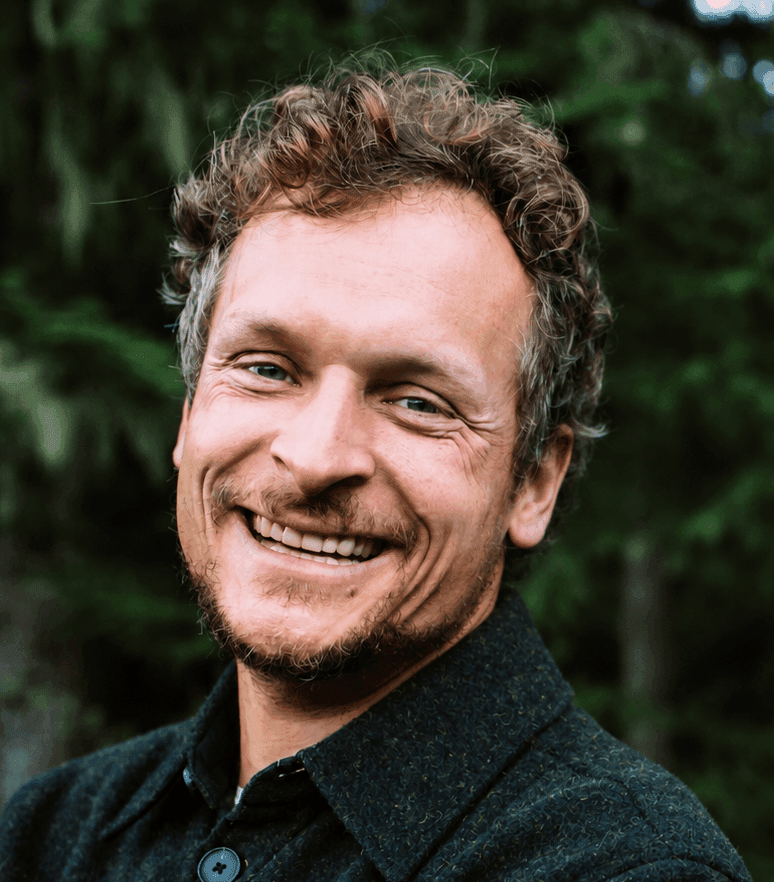
Naturopathic doctor on Salt Spring Island with over 14 years of clinical experience in integrative medicine. McGill University and Boucher Institute of Naturopathic Medicine graduate. Member of the Canadian Association of Naturopathic Doctors.
References & Further Reading
This article is for education and is not a substitute for individual medical advice. For background reading, these independent health authorities offer evidence-based information:
- Erectile Dysfunction — U.S. National Library of Medicine (MedlinePlus)
- Prostate Diseases — U.S. National Library of Medicine (MedlinePlus)
- Hormones — U.S. National Library of Medicine (MedlinePlus)
- About Naturopathic Medicine — Canadian Association of Naturopathic Doctors