TSH is a screening tool, not a diagnosis
A normal TSH can coexist with low free T3, poor conversion, or active Hashimoto's. The full picture requires free T4, free T3, reverse T3, and TPO/TgAb antibodies.
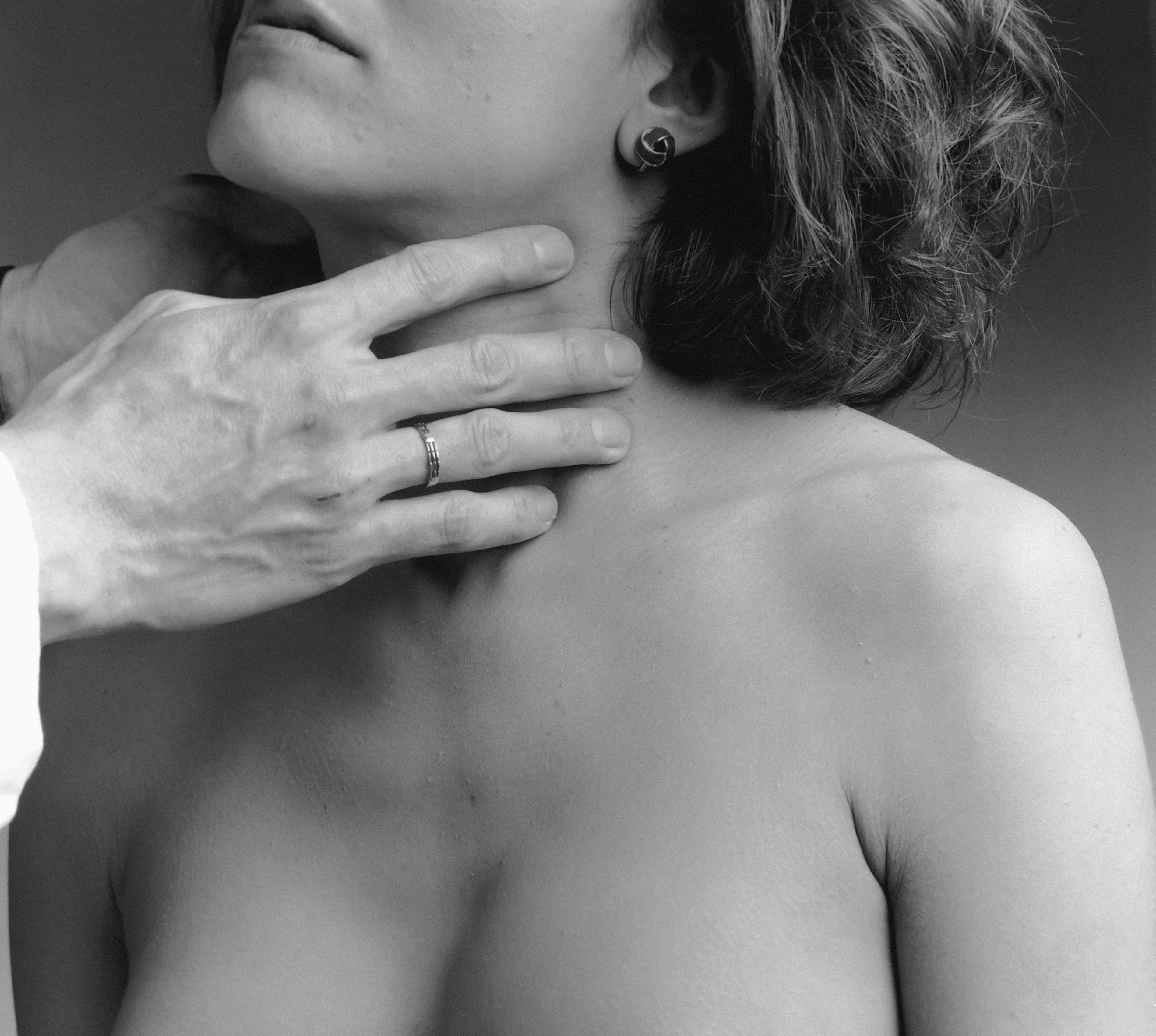
Fatigue that won't shift, weight that holds, hair falling, always cold. These are thyroid symptoms. Most women with them have been told their labs are normal.
“TSH alone tells you whether your thyroid is alive. It doesn't tell you whether it's working well for you.”
Thyroid disease is the most common hormonal condition in women, and the most consistently under-treated. Standard screening uses TSH, a pituitary signal, not a direct measure of thyroid activity. Women can feel miserable with a TSH in range, particularly when free T3 is low, conversion is impaired, or Hashimoto's antibodies are driving an autoimmune attack.
I run a full thyroid panel on almost every new female patient. What I find consistently: a managed TSH with low free T3, Hashimoto's antibodies nobody checked for, selenium and iron deficiency impairing conversion. These are fixable. The fatigue, the weight, the fog, none of it has to be permanent.
A normal TSH can coexist with low free T3, poor conversion, or active Hashimoto's. The full picture requires free T4, free T3, reverse T3, and TPO/TgAb antibodies.
Most hypothyroidism in women is autoimmune. Antibodies can drive symptoms for years before TSH shifts. Treating the immune pattern, not just the number, changes the trajectory.
Your body converts T4 to the active T3 in tissues. Stress, low iron, low selenium, inflammation, and caloric restriction all impair that conversion. T4 medication alone can't fix a conversion problem.
TSH, free T4, free T3, reverse T3, TPO antibodies, thyroglobulin antibodies. Alongside: ferritin (iron is essential for thyroid peroxidase activity), selenium, zinc, vitamin D, fasting glucose and insulin, a full inflammatory picture. When Hashimoto's is present, gut permeability and food sensitivities are part of the assessment, the autoimmune trigger almost always runs through the gut.
When free T3 is low and symptoms are clear, thyroid hormone support is often the missing piece. I use T4-only (levothyroxine) when conversion is intact, and compounded T4/T3 combinations when it isn't. I monitor to symptoms and labs together, not just to TSH suppression.
Selenium and zinc for conversion and antibody reduction. Iodine cautiously and only when deficiency is confirmed. Iron repletion when ferritin is low. An anti-inflammatory protocol and gut repair when Hashimoto's is active. Stress management, because cortisol suppresses TSH and impairs T4-to-T3 conversion directly.
I test thoroughly, treat to symptoms and labs together, and recheck every 6–12 weeks until stable. Most patients see meaningful improvement in energy, weight, temperature regulation, and cognition within three months of getting the protocol right.
Therapies I'd likely use
Yes, and this is one of the most common presentations I see. A normal TSH doesn't rule out thyroid dysfunction. It rules out the most severe form of it. Free T3, reverse T3, and antibodies tell a more complete story.
Levothyroxine is T4-only. If you're not converting it well to active T3, you'll still feel hypothyroid despite normal-looking labs. Adding T3, as compounded T4/T3 or liothyronine, often makes a significant difference. So does optimizing ferritin, selenium, and inflammation.
TPO and thyroglobulin antibodies aren't included in standard thyroid panels at most labs. If your symptoms are real but your TSH is in range, Hashimoto's is high on my list. It's a treatable condition, particularly when we address the gut and immune drivers alongside the thyroid.
I treat the totality of the person: body, mind, and spirit as one interconnected system. Naturopathic medicine gives me a wide toolbox: clinical nutrition, herbal medicine, acupuncture, IV therapy, somatic approaches, and more. I don't apply protocols; I look for the pattern underneath your symptoms and build care that fits your specific life.