Structurally identical means something
Not an analogue. Not a close match. The same molecule your body makes, estradiol, progesterone, testosterone. That distinction matters for how your body uses it and what the safety data actually shows.
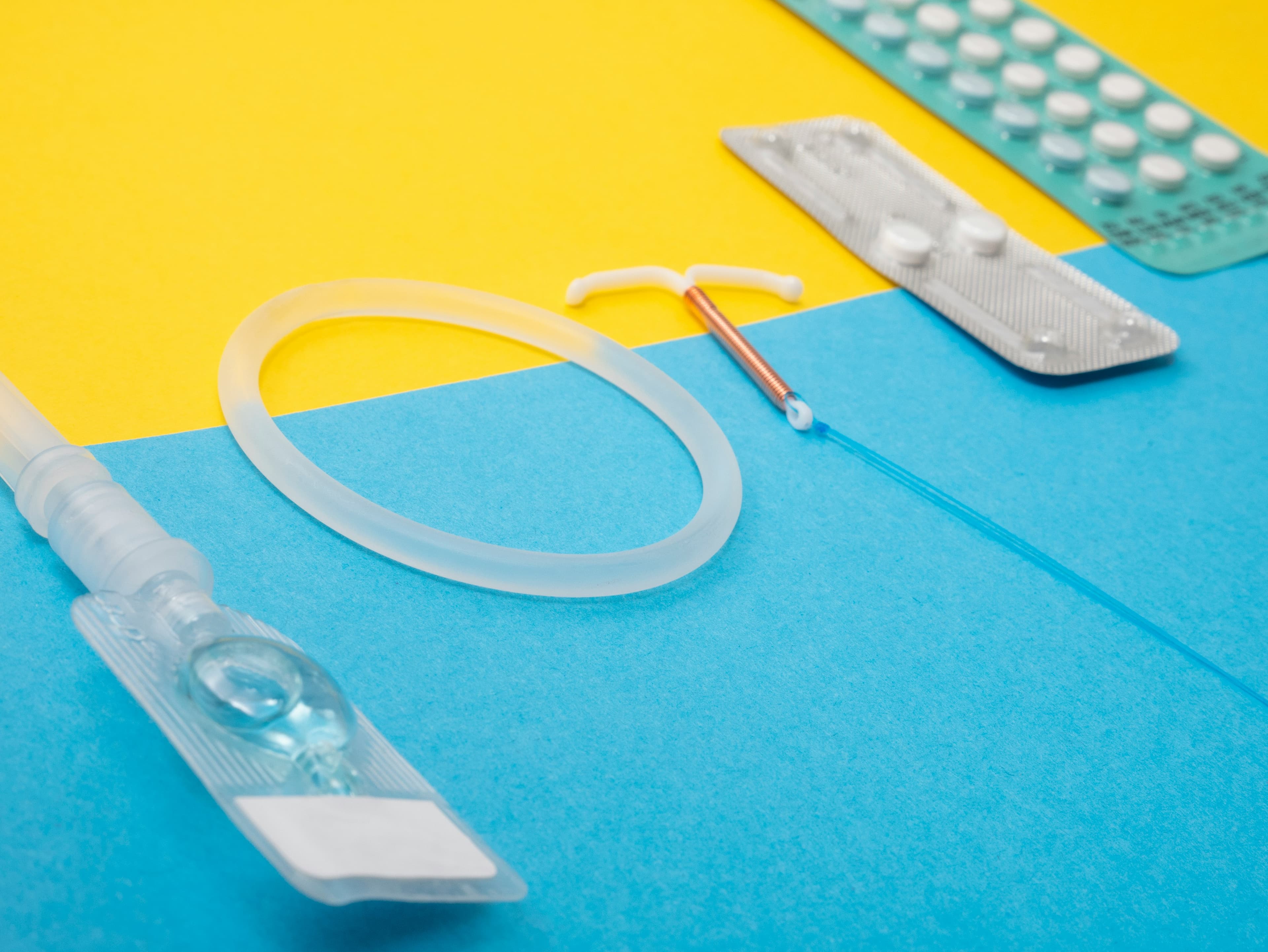
Cycles that feel predictable. Energy that holds. Mood that stays yours. Bioidentical hormones, when the case calls for them, are one of the most precise tools I have.

“Your labs say normal. Normal is a population average. It is not how you need to feel.”
Hormones don't drift in isolation. They live inside a system running on sleep, stress, blood sugar, gut health, and a handful of nutrients. When any of those slips, the whole pattern shifts, and you feel it weeks before a standard panel picks it up.
Bioidentical hormones are the same molecules your body makes: estradiol, progesterone, testosterone. Prescribed at the right dose, in the right form, monitored with the right labs, they work. Used without that care, they're just another guess.
Not an analogue. Not a close match. The same molecule your body makes, estradiol, progesterone, testosterone. That distinction matters for how your body uses it and what the safety data actually shows.
Estrogen, progesterone, testosterone, cortisol, thyroid, they talk to each other constantly. I test the full conversation, because treating one without the others is half an answer at best.
Dose adjustments come from symptoms and labs together. Most patients retest at 6 and 12 weeks, then twice yearly. Set-it-and-forget-it isn't prescribing. It's abandonment.
The patterns I find most often: estrogen dominance paired with sluggish liver detox or low progesterone; thyroid running just below the threshold that triggers treatment; adrenal output that's been too high for too long. Less common but worth ruling out: PCOS, perimenopause arriving earlier than expected, specific nutrient gaps, B12, zinc, iron, that quietly shut down hormone production.
Full thyroid panel, sex hormones timed to your cycle, fasting insulin, and a complete metabolic picture. Where it adds clarity, I add a DUTCH urine panel, it shows how you're metabolizing estrogen, not just how much you have. Salivary cortisol mapping when the stress axis is the question.
Estradiol as transdermal cream or patch. Progesterone orally at night. Testosterone when the case calls for it. Every dose is adjusted to symptoms and labs together, not a template, not a default. When hormones aren't the answer, targeted nutrients and herbal medicine are often enough on their own.
I work in 12-week cycles. Test. Move. Re-test. Your protocol is built from your data, not from a standard plan, and it changes when your body asks for something different. The goal isn't a number on a lab page. It's how you actually feel.
Therapies I'd likely use
Standard reference ranges are built from wide populations, including people who aren't well. Functional ranges are tighter and ask a more precise question: where do your numbers need to be for you to feel good? That's the lens I use.
For the right person, at the right dose, with proper monitoring, current evidence is reassuring. The risk profile is meaningfully different from older synthetic HRT. I'll be direct about what the data shows for your specific situation.
Energy and sleep often shift in the first four to six weeks. Cycle changes settle by month three. We retest at 12 weeks so the plan stays based on data, not memory.
I treat the totality of the person: body, mind, and spirit as one interconnected system. Naturopathic medicine gives me a wide toolbox: clinical nutrition, herbal medicine, acupuncture, IV therapy, somatic approaches, and more. I don't apply protocols; I look for the pattern underneath your symptoms and build care that fits your specific life.