PSA needs context
A single PSA number means little. Trend over time, PSA velocity, free-to-total ratio, and prostate volume all matter more than one reading in isolation.

Waking to urinate, slower flow, lingering aches. Common, treatable, and worth taking seriously early.
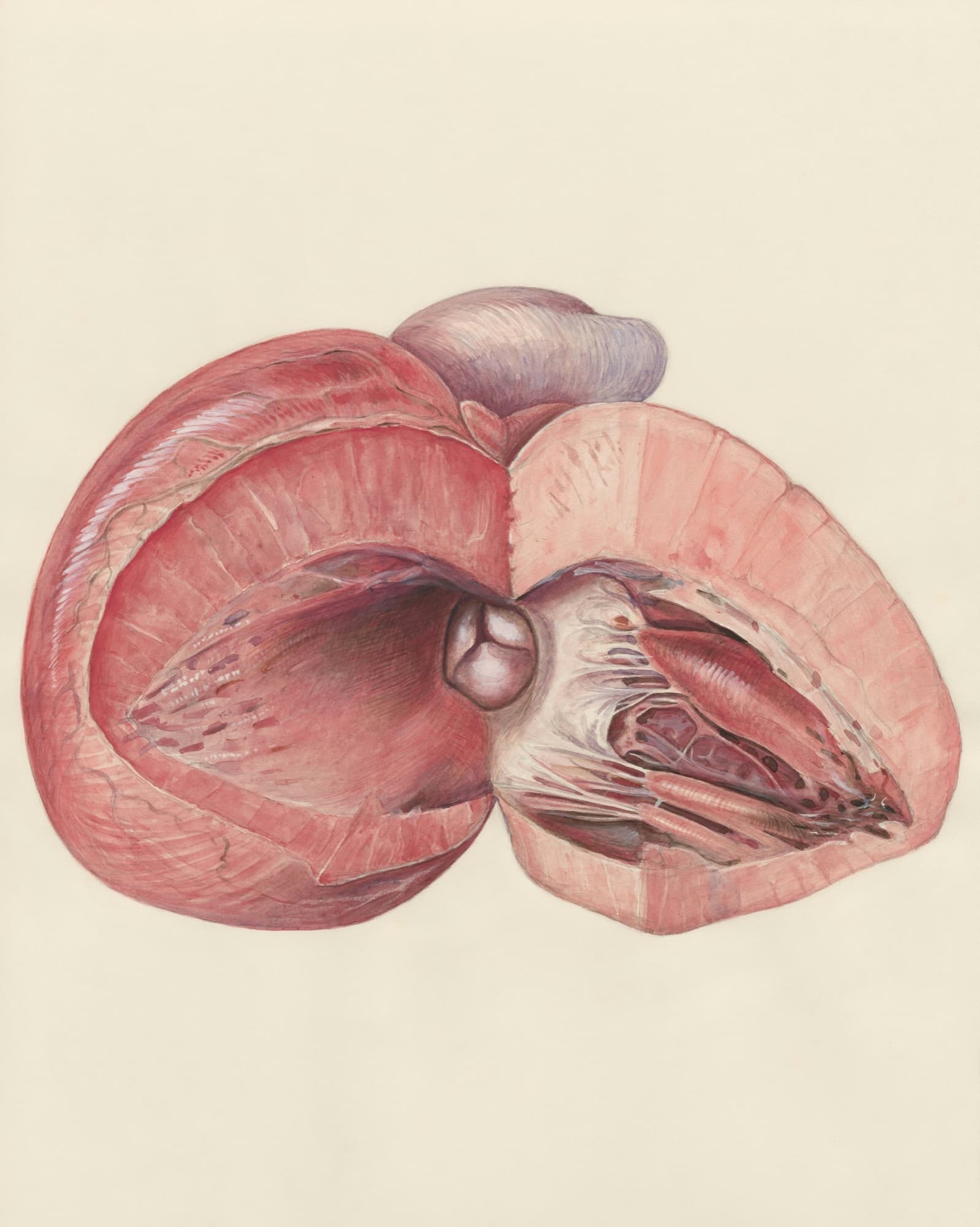
“Prostate health is largely about consistent monitoring and the right inputs over time. It rewards attention and forgives small lapses.”
Benign prostatic hyperplasia, prostatitis, and elevated PSA are common in men over 45, and they're well-managed with the right work-up. The tricky part is distinguishing normal aging from symptoms worth treating, and those from what warrants imaging or referral.
I work this up carefully, treat what's there, and refer to urology when the case calls for it. The goal is fewer 3am bathroom trips, a steady flow, and a PSA trend you can trust.
A single PSA number means little. Trend over time, PSA velocity, free-to-total ratio, and prostate volume all matter more than one reading in isolation.
Lifestyle, body composition, hormones, and inflammation all play roles. The right inputs slow the process, and often shrink the symptoms.
Bacterial, non-bacterial, chronic pelvic pain, each is treated differently. Getting the type right is most of the work.
PSA with ratios where indicated, testosterone, DHT and estradiol, fasting insulin, hsCRP, full nutrient panel. Sometimes a urine flow study or post-void residual via referral. Imaging where the case calls for it.
Targeted nutrients and herbs with real evidence, saw palmetto, beta-sitosterol, and others by case. Lifestyle work on body composition and inflammation. Where appropriate: alpha-blockers or 5-alpha-reductase inhibitors via prescription. Surgery isn't usually needed when the work starts early.
PSA rising fast, blood in the urine, severe obstructive symptoms, abnormal exam findings, straight to urology. Naturopathic care and urology work well together and I keep the lines open.
Annual labs. Six-monthly check-ins during active treatment. Slow, steady improvement that usually shows up in the symptom log before it shows in the numbers.
Therapies I'd likely use
Maybe, maybe not. We look at how fast it rose, prostate volume, free-to-total ratio, and symptoms together. Most single-number bumps have a benign explanation, but we work it up properly.
Often yes for moderate BPH. With targeted nutrients, herbs, and lifestyle work, sometimes alongside prescription, many men avoid or substantially delay procedures.
Current evidence says no, in monitored therapy. I baseline PSA before TRT, monitor it carefully, and stay alert to changes.
I treat the totality of the person: body, mind, and spirit as one interconnected system. Naturopathic medicine gives me a wide toolbox: clinical nutrition, herbal medicine, acupuncture, IV therapy, somatic approaches, and more. I don't apply protocols; I look for the pattern underneath your symptoms and build care that fits your specific life.