Vascular health is brain health
What's good for your arteries is good for your brain. ApoB, insulin, inflammation, and blood pressure all matter here, and all of them are addressable.
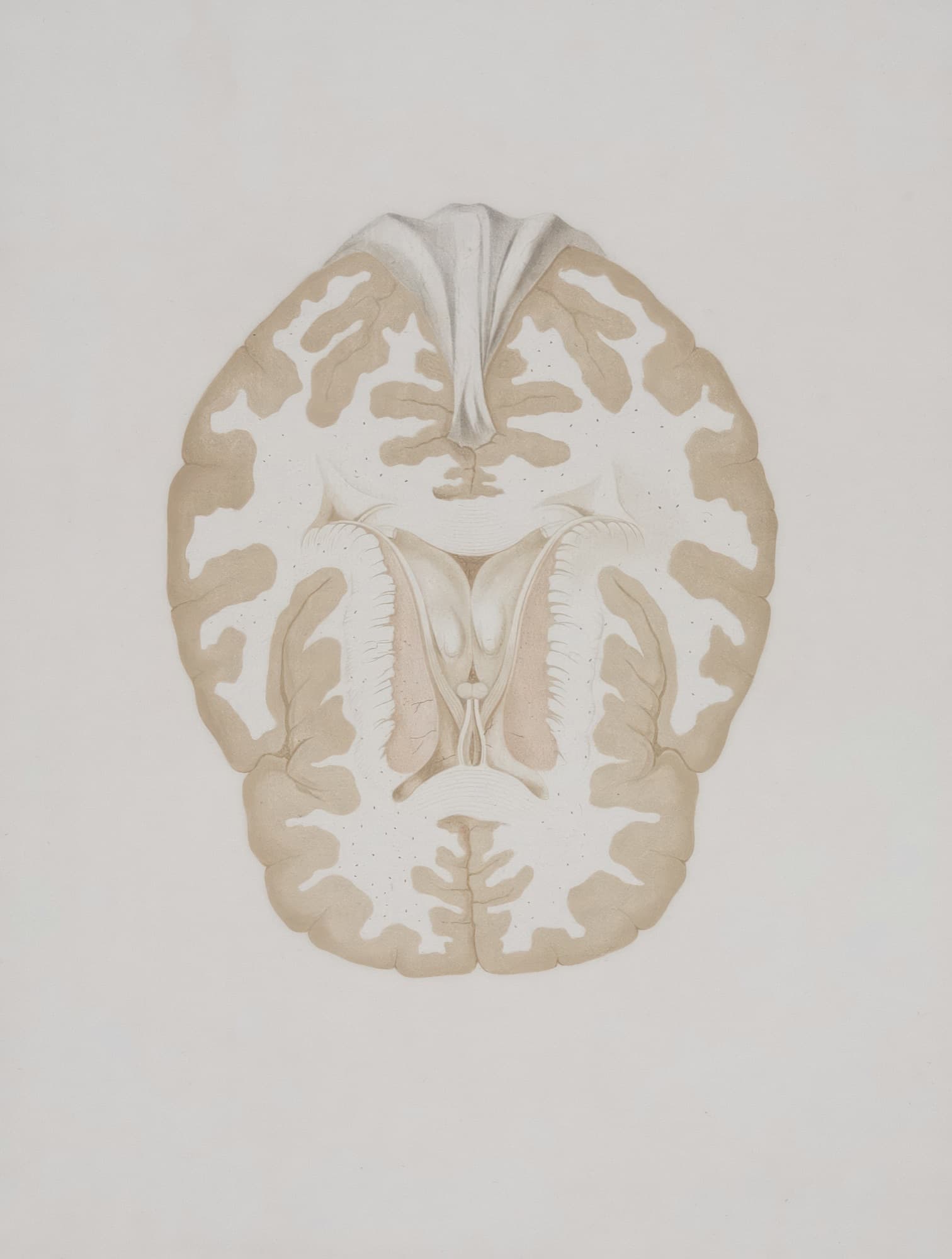
Memory, word-finding, processing speed, protectable, often improvable, and worth taking seriously early.

“Most cognitive decline starts decades before symptoms. The earlier we look, the more we can do.”
I treat cognitive health as a long arc. By the time meaningful symptoms appear, the underlying changes have usually been going on for 15 or 20 years, but they don't arrive out of nowhere, and the levers are real.
Whether you're noticing word-finding lapses in your 50s, watching a parent decline, or simply want to age with a sharp mind, the work-up and the protocol matter.
What's good for your arteries is good for your brain. ApoB, insulin, inflammation, and blood pressure all matter here, and all of them are addressable.
Deep sleep is when the brain washes itself through the glymphatic system. Chronic poor sleep is one of the most consistent predictors of cognitive decline we have.
Subjective cognitive decline and mild cognitive impairment often have addressable causes: thyroid, B12, sleep apnea, medication side effects, inflammation, depression. Finding them changes the prognosis.
Full thyroid, B12 and folate (with MMA where indicated), vitamin D, homocysteine, hsCRP, ApoB, fasting insulin, hormones, sleep apnea screen, medication review. Anticholinergics are a common silent driver of cognitive symptoms and are rarely flagged. Sometimes APOE genotyping if it'll change the plan.
Sleep architecture and apnea treatment. Strength training and aerobic capacity. Mediterranean-style eating, blood-sugar stable. Social and cognitive engagement. Targeted nutrients, omega-3s, B-complex, and others. Stress and depression treatment when they're driving it. Hormone support for some patients.
Persistent change documented over months, anything affecting daily function, or family history with serious concern. That's when imaging, neurology, and formal cognitive testing belong in the picture. I refer and stay in the loop.
Annual cognitive review. Full labs every 12 months. Ongoing protocol adjustments. This is slow work that compounds. It is most powerful when started before the symptoms become obvious.
Therapies I'd likely use
Probably not, but worth a baseline. Occasional word-finding lapses are common at any age. We rule out the simple causes and set a marker for the future.
Plenty. Even in moderate dementia, nutrient gaps, medication review, sleep, and engagement matter. I work alongside their medical team and family.
A few have decent evidence, omega-3s and B-complex in deficiency states, notably. Most aren't worth the cost. I choose based on your labs and case.
I treat the totality of the person: body, mind, and spirit as one interconnected system. Naturopathic medicine gives me a wide toolbox: clinical nutrition, herbal medicine, acupuncture, IV therapy, somatic approaches, and more. I don't apply protocols; I look for the pattern underneath your symptoms and build care that fits your specific life.