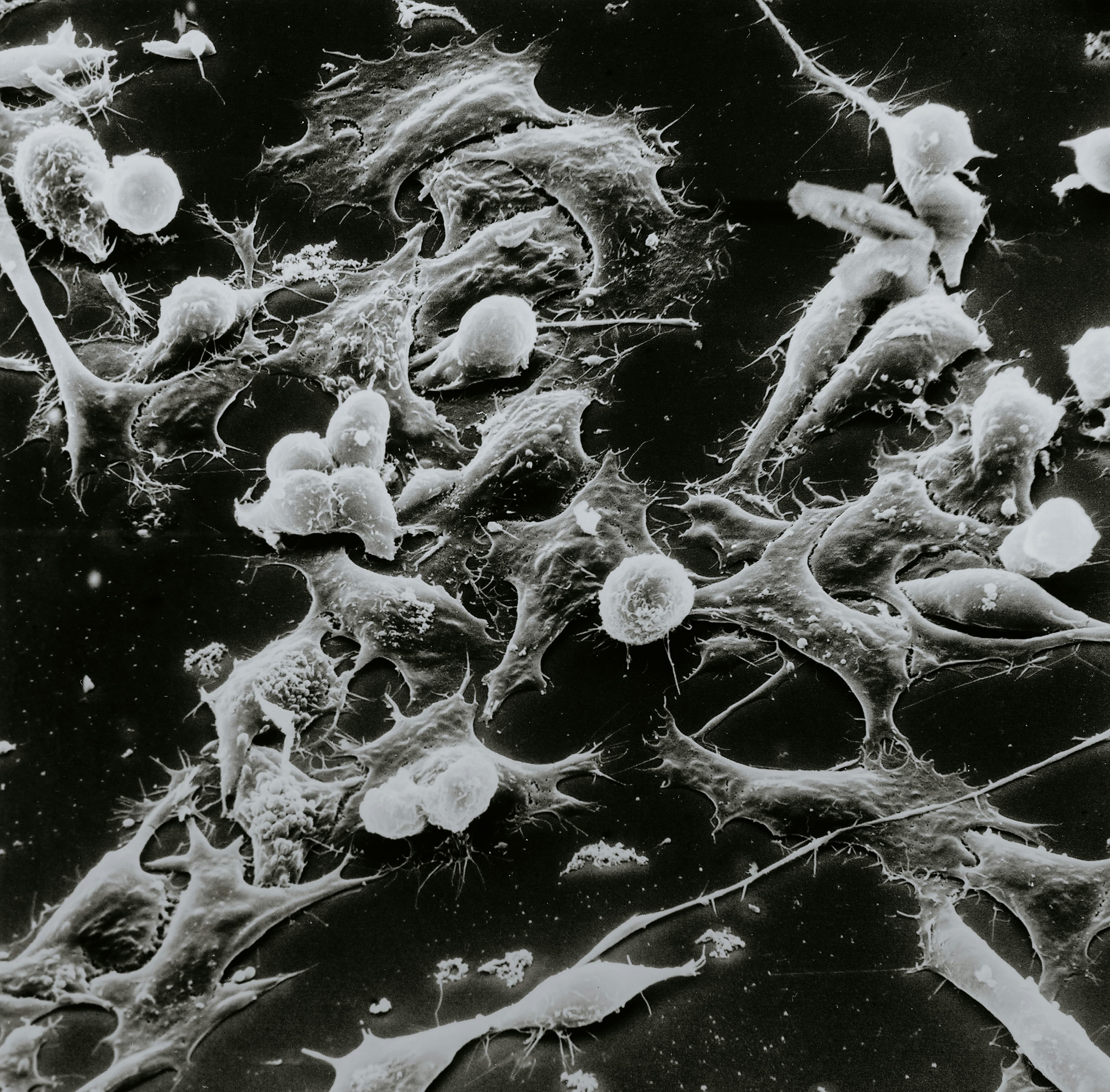
Scanning electron microscope image of cancer cells on a dark background

Whentheimmunesystemturns.

Whether facing a cancer diagnosis or an autoimmune condition, naturopathic care works alongside your medical team, supporting your body through treatment and reducing the inflammation driving disease.

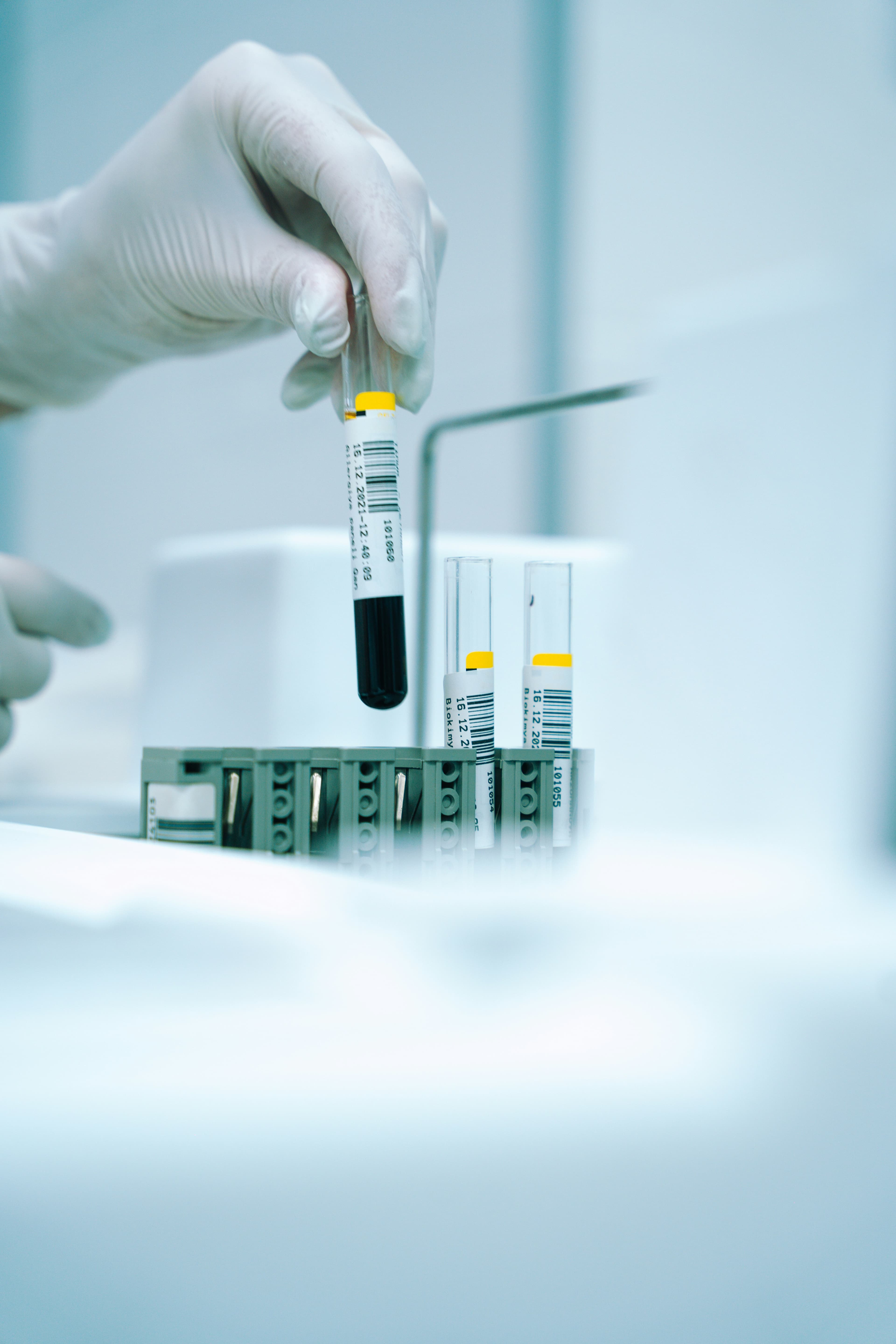
Gloved hand holding a blood sample vial in a clinical laboratory
I don't treat cancer instead of oncology. I treat the person going through cancer alongside oncology. The difference is significant.

For patients navigating cancer treatment, naturopathic care addresses what conventional oncology often can't focus on: fatigue, nausea, immune support, sleep, nutrition, and quality of life during treatment. High-dose IV vitamin C, targeted nutrients, and anti-inflammatory protocols are well-studied adjuncts, I use them carefully and in communication with your oncologist.

For autoimmune conditions, rheumatoid arthritis, polymyalgia rheumatica, Sjögren's, psoriatic arthritis, and others, the work centres on the gut-immune axis, anti-inflammatory nutrition, immune modulation, and reducing the long-term medication burden where it's safe to do so.
Three things to hold onto.

01

Integrative oncology has a strong evidence base

High-dose IV vitamin C, mistletoe (Iscador), and targeted nutrients have meaningful trial data for reducing treatment side effects and improving quality of life. None of this replaces conventional treatment. It works alongside it.

02

Autoimmunity starts in the gut

Intestinal permeability is a consistent upstream finding in most autoimmune conditions. Repairing the gut lining, addressing dysbiosis, and removing inflammatory triggers often quiets the immune attack without impairing necessary immune function.

03

Inflammation is the common driver

Whether cancer, RA, or Sjögren's, chronic systemic inflammation accelerates progression. Anti-inflammatory nutrition, omega-3s, curcumin, and lifestyle factors move the needle. They stack with whatever else you're doing.

How I think about cancer & autoimmunity.

Cancer support: where I focus

Fatigue, peripheral neuropathy, immune suppression, nausea, appetite, sleep, and psychological resilience during treatment. High-dose IV vitamin C is the most well-studied naturopathic adjunct in oncology, I use it where it's appropriate and safe given your specific diagnosis and treatment protocol. Mistletoe (Iscador) is another evidence-backed tool I use selectively. Nutritional optimization and targeted supplementation are part of every cancer support protocol.

Autoimmune conditions: my approach

Full inflammatory work-up, gut permeability assessment, food sensitivity testing, and thorough medication review, many autoimmune drugs carry significant long-term risks worth periodically re-evaluating. Elimination and reintroduction for inflammatory triggers. Herbal immunomodulators and anti-inflammatory botanicals are often central to the protocol. IV glutathione and NAD when oxidative stress is high.

Working with your specialist

I stay in communication with your oncologist, rheumatologist, or GP. I flag anything I'm doing that could interact with your treatment, and adjust based on where you are in your protocol. Many specialists welcome naturopathic support when it's done carefully and transparently.

Considered.
Tested.
Re‑tested.

I take a long view. Cancer isn't a sprint and neither is autoimmunity. We work in clear phases: acute support during active treatment, then stabilization, then long-term resilience and relapse prevention. The goal is quality of life now and a body that's more resilient going forward.

You’re probably wondering.

01

Will naturopathic care interfere with my chemotherapy?

Some supplements interact with specific chemotherapy agents, and I take that seriously. I review your protocol before recommending anything and communicate with your oncologist when there's any question. High-dose IV vitamin C, for instance, is contraindicated with certain drugs, knowing your treatment details is essential before we start.

02

Can you help if I'm already on a biologic for RA?

Yes. Most patients on biologics or DMARDs have room to improve quality of life, reduce flare frequency, and address gut-immune drivers that medication doesn't touch. I won't ask you to stop what's controlling your disease, I work alongside it.

03

Is high-dose IV vitamin C safe?

For most people, yes, strong safety record. G6PD deficiency is a contraindication and I test for it before starting. I'll be transparent about what the evidence says for your specific situation.

04

Why Dr. Rigobert Kefferputz?

I treat the totality of the person: body, mind, and spirit as one interconnected system. Naturopathic medicine gives me a wide toolbox: clinical nutrition, herbal medicine, acupuncture, IV therapy, somatic approaches, and more. I don't apply protocols; I look for the pattern underneath your symptoms and build care that fits your specific life.

Scenic lake view

Ready to talk it through?

Book appointment