 Home
HomeTrauma and the Body: How IFS Therapy Supports Healing
· 7 min read
Trauma is not just a psychological experience; it is a physiological one. Long after the traumatic event has passed, the body can remain locked in patterns of hypervigilance, tension, and reactivity that no amount of cognitive understanding alone can resolve. Internal Family Systems (IFS) therapy offers a compassionate, evidence-based framework for healing trauma by working with the protective parts of the psyche that developed in response to overwhelming experience.
How Trauma Lives in the Body
As Dr. Bessel van der Kolk documented extensively in his research and in The Body Keeps the Score, when the nervous system encounters a threat it cannot escape or overcome, the experience is encoded not just in memory but in the body itself. Muscles tighten in patterns of bracing. The autonomic nervous system shifts toward chronic sympathetic activation or, in cases of severe overwhelm, into a dorsal vagal freeze state characterized by numbness, disconnection, and fatigue. These somatic responses are not chosen; they are automatic survival strategies that persist long after the danger has passed.
This is why trauma survivors often describe symptoms that seem disconnected from any conscious thought: a knot in the stomach that appears without warning, a clenched jaw upon waking, an inexplicable sense of dread in safe environments, or a startle response that feels wildly disproportionate to the stimulus. The body is responding to a threat the mind may have filed away or suppressed entirely. In my practice, I regularly see patients who arrive focused on a digestive or hormonal complaint and, over time, we come to understand that unresolved trauma is a significant part of what is keeping their physiology in a state of chronic activation.
Healing trauma therefore requires approaches that engage the body, not just the thinking mind. Talk therapy that stays exclusively in the cognitive realm often leaves the somatic dimension of trauma untouched, which is why many people can articulate their trauma story clearly yet continue to experience debilitating physical and emotional symptoms.
What Is Internal Family Systems Therapy
Internal Family Systems (IFS) is a therapeutic model developed by Dr. Richard Schwartz, now recognized by the National Registry for Evidence-based Programs and Practices, that views the psyche as naturally composed of multiple sub-personalities or 'parts,' each with its own perspective, feelings, and role. In the IFS framework, there is no pathology in having parts; it is simply how the mind is organized. Problems arise when parts become burdened by extreme beliefs and emotions, often as a result of traumatic experiences, and begin operating in ways that cause distress.
IFS identifies three categories of parts: Exiles are the wounded parts that carry pain, shame, fear, and vulnerability from past experiences. Managers are proactive protectors that try to prevent the Exiles' pain from surfacing through control, perfectionism, people-pleasing, or emotional shutdown. Firefighters are reactive protectors that jump in when Exile pain breaks through, often through impulsive behaviours like binge eating, substance use, rage, or dissociation.
At the centre of this system is the Self, an inherently calm, compassionate, curious, and clear core that is present in every person regardless of their trauma history. The goal of IFS therapy is not to eliminate parts but to help them unburden their extreme roles so that the Self can lead the internal system with wisdom and compassion.
How IFS Supports Trauma Healing
IFS approaches trauma with a fundamental respect for the protective strategies the psyche has developed. Rather than trying to override or push past defences, the therapist helps the client develop a relationship with their protective parts, understanding what they are guarding against, acknowledging the role they have played in survival, and gradually earning their trust to access the wounded Exiles beneath.
This process is inherently gentle and client-led. There is no forced exposure, no re-traumatization, and no pressure to move faster than the system is ready for. When a protective part feels genuinely heard and respected, it often relaxes its grip voluntarily, allowing access to the underlying pain. The Exile is then witnessed, validated, and unburdened, a process that can produce profound shifts in both emotional and physical symptoms.
The Naturopathic Integration
Naturopathic medicine and IFS therapy are natural allies in trauma recovery. While IFS works with the psychological and relational dimensions of trauma, naturopathic care addresses the physiological terrain that either supports or undermines healing. As research in Psychoneuroendocrinology has demonstrated, chronic trauma dysregulates cortisol rhythms, depletes nutrients like magnesium and B vitamins, disrupts gut microbiome composition, and promotes systemic inflammation, all of which can make therapeutic progress slower and more difficult.
Supporting adrenal function with adaptogenic herbs like ashwagandha and rhodiola, restoring nutrient status, optimizing sleep, and reducing inflammatory burden creates a physiological environment where the nervous system has the resources it needs to process and release stored trauma. Breathwork and somatic practices complement IFS by providing additional pathways for parts to communicate through the body rather than exclusively through language.
This integrative approach, addressing the body and the psyche simultaneously, often accelerates healing and produces more durable results than either modality alone. Trauma is a whole-person experience, and it responds best to whole-person treatment. I find that patients who engage both the physiological and psychological dimensions of their healing often describe a quality of change that feels different from anything they had experienced before, not just symptom reduction, but a genuine shift in how safe they feel in their own body.
The concept of the window of tolerance, originally developed by Dr. Dan Siegel, describes the optimal zone of arousal in which a person can engage with difficult material without becoming overwhelmed (hyperarousal) or shutting down (hypoarousal). Naturopathic support directly widens this window by reducing the physiological reactivity that narrows it: lowering inflammatory burden, supporting adrenal function, optimizing sleep, and correcting nutrient deficiencies all reduce the baseline level of nervous system activation, making it easier for the psyche to engage with therapeutic work at depth. This is why patients who start naturopathic support alongside IFS therapy often find they can go deeper and move more quickly than when working with psychotherapy alone.
What to Expect in IFS-Informed Care
An initial IFS session typically involves exploring the client's relationship with their internal system: identifying which parts are most active, understanding their roles, and beginning to cultivate Self-energy. The therapist acts as a guide, helping the client turn inward with curiosity rather than judgment. Over time, the client develops an increasingly direct relationship with their own parts, eventually becoming their own internal healer.
Progress in IFS is not always linear. Protective parts may test boundaries, Exiles may surface unexpectedly, and the process requires patience and trust. However, the transformative potential is significant. Many clients report not just symptom reduction but a fundamental shift in how they relate to themselves, moving from internal conflict and self-criticism to self-compassion and internal coherence.
If you are considering IFS therapy, look for a practitioner who has completed formal IFS training, ideally at Level 2 or above. When combined with naturopathic support for the physical dimensions of trauma, IFS offers one of the most comprehensive paths to deep, lasting healing available.
Key Takeaways
- Trauma is stored in the body as chronic nervous system dysregulation, muscle tension, and somatic symptoms.
- IFS therapy works with protective parts of the psyche rather than trying to override or eliminate them.
- The Self, a calm, compassionate core, is present in everyone and can lead healing when parts are unburdened.
- Naturopathic medicine supports IFS by addressing the physiological impacts of chronic trauma on cortisol, nutrients, and inflammation.
- Widening the window of tolerance through naturopathic support (reducing inflammation, supporting adrenal function, optimizing sleep) allows patients to engage more deeply and effectively with trauma-focused psychotherapy.
- Allostatic load, the cumulative physiological burden of chronic stress and trauma, is measurable through markers like cortisol rhythm, inflammatory cytokines, and HRV, and can guide targeted naturopathic intervention.
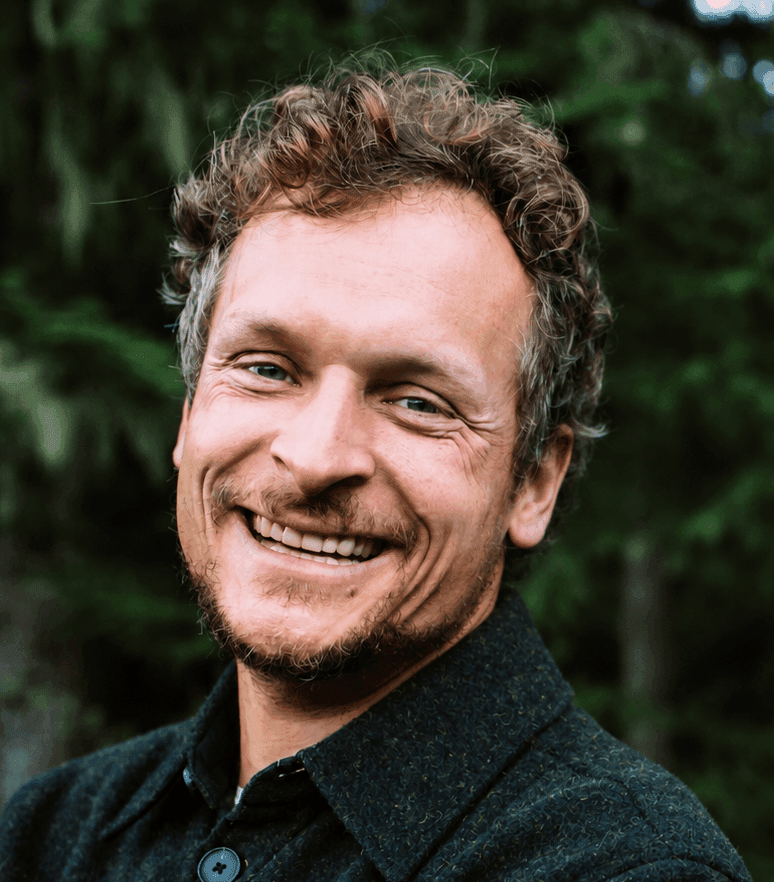
Naturopathic doctor on Salt Spring Island with over 14 years of clinical experience in integrative medicine. McGill University and Boucher Institute of Naturopathic Medicine graduate. Member of the Canadian Association of Naturopathic Doctors.
References & Further Reading
This article is for education and is not a substitute for individual medical advice. For background reading, these independent health authorities offer evidence-based information:
- Anxiety — U.S. National Library of Medicine (MedlinePlus)
- Depression — U.S. National Library of Medicine (MedlinePlus)
- Stress and Your Health — NIH National Center for Complementary and Integrative Health
- Ashwagandha — NIH National Center for Complementary and Integrative Health