 Home
HomeHair Loss in Men: Root Causes Beyond Genetics
· 7 min read
Hair loss is one of the most visible and emotionally impactful health concerns men face. While androgenetic alopecia (the genetic pattern of hair thinning driven by dihydrotestosterone) is the most common diagnosis, it is far from the only cause. Thyroid imbalances, nutrient deficiencies, chronic stress, systemic inflammation, and environmental toxin exposure all contribute to hair loss in ways that are modifiable. A naturopathic approach looks beyond the genetic narrative to identify and address the factors that are within your control.
Understanding the Genetics, and Its Limits
Androgenetic alopecia is driven by the conversion of testosterone to dihydrotestosterone (DHT) by the enzyme 5-alpha reductase. DHT binds to receptors in genetically sensitive hair follicles, causing them to miniaturize over successive growth cycles until they produce only fine, barely visible vellus hairs. This genetic predisposition is real and significant, but it does not operate in a vacuum.
The rate at which hair loss progresses is influenced by a constellation of environmental and metabolic factors. Two men with identical genetic risk profiles can experience vastly different timelines and severity of hair loss depending on their stress levels, nutritional status, hormonal balance, and inflammatory burden. This is where naturopathic intervention creates meaningful opportunity, not by changing genetics, but by modifying the terrain in which those genes express themselves. In my practice, I regularly see men surprised to learn that their hair thinning accelerated alongside a period of prolonged stress or a nutritional gap they had not connected to the problem.
Thyroid, Iron, and Nutrient Deficiencies
Thyroid dysfunction is one of the most underappreciated causes of hair loss in men. Both hypothyroidism and hyperthyroidism disrupt the hair growth cycle, leading to diffuse thinning that affects the entire scalp rather than the characteristic pattern of androgenetic alopecia. Because thyroid conditions are less commonly screened for in men, this cause is frequently missed. Something I notice frequently is that comprehensive nutrient testing in men presenting with hair loss reveals multiple suboptimal values simultaneously; it is rarely just one deficiency in isolation, and correcting all of them together tends to produce far better outcomes than targeting a single nutrient.
Iron deficiency, even without frank anemia, is a well-documented contributor to hair loss. Research published in the Journal of the American Academy of Dermatology has shown that ferritin levels below 70 nanograms per milliliter are associated with increased hair shedding, yet many conventional practitioners consider any level above 12 to be adequate. Zinc, biotin, vitamin D, and essential fatty acids also play direct roles in hair follicle cycling and structure. Comprehensive nutrient testing often reveals multiple suboptimal levels that collectively undermine hair growth.
Protein intake matters as well. Hair is composed primarily of keratin, a structural protein. Men who are chronically undereating protein or who have compromised digestive function and poor protein absorption may not be providing the raw materials necessary for healthy hair production, even if their diet appears adequate on paper.
Stress, Cortisol, and the Hair Growth Cycle
The relationship between stress and hair loss is well established clinically. Telogen effluvium, a condition in which a large number of hair follicles simultaneously enter the resting phase, is commonly triggered by significant physical or emotional stress. As described in the journal Dermatologic Clinics, this type of hair loss typically appears two to four months after the stressful event and presents as diffuse shedding rather than localized thinning.
Chronic stress is more insidious. Sustained cortisol elevation shifts the body into a catabolic state where resources are diverted away from non-essential functions, and hair growth is one of the first systems to be deprioritized. Elevated cortisol also increases systemic inflammation, impairs nutrient absorption, and disrupts hormonal cascades that influence hair follicle health. Men who are experiencing gradual, accelerating hair loss alongside other stress-related symptoms should consider adrenal assessment as part of their evaluation.
Inflammation, Toxins, and Scalp Health
Chronic low-grade inflammation is a significant accelerator of hair loss. Inflammatory cytokines damage hair follicle stem cells and shorten the anagen (growth) phase of the hair cycle. Sources of systemic inflammation include gut dysbiosis, food sensitivities, insulin resistance, excess alcohol consumption, and environmental toxin exposure.
Heavy metals such as mercury, lead, and arsenic have documented associations with hair loss. Endocrine-disrupting chemicals found in plastics, personal care products, and pesticides can interfere with hormonal signaling that governs hair growth. Reducing toxic load through clean eating, filtered water, natural personal care products, and targeted detoxification support can slow or partially reverse environmentally driven hair loss.
Scalp-specific factors also warrant attention. Seborrheic dermatitis, folliculitis, and excessive sebum production create a local inflammatory environment that compromises follicle function. Topical treatments using saw palmetto extract, rosemary oil, and zinc pyrithione can address these local factors while systemic interventions address the underlying drivers.
A Naturopathic Strategy for Hair Preservation
A comprehensive hair loss assessment begins with thorough lab work: a complete thyroid panel, ferritin, zinc, vitamin D, comprehensive metabolic panel, inflammatory markers, and a full hormone panel including DHT, free testosterone, and DHEA-S. Toxic element testing may be indicated based on exposure history. This data creates a clear picture of which modifiable factors are contributing to hair loss.
Treatment is individualized based on findings. Nutritional optimization ensures adequate protein, iron, zinc, and biotin intake. Botanical agents such as saw palmetto and stinging nettle root offer natural 5-alpha reductase inhibition without the side effect profile of pharmaceutical options. Stress management, gut health restoration, and toxin reduction address systemic drivers. Topical protocols using rosemary essential oil provide direct follicular support. A 2015 randomized comparative trial published in SKINmed Journal found that rosemary oil was comparable to two percent minoxidil in promoting hair regrowth after six months of use.
Patience is essential. Hair follicles cycle over months, not weeks. Meaningful visible changes typically require four to six months of consistent intervention. Regular monitoring of lab markers and clinical progress allows treatment to be refined over time, maximizing results while respecting the body's natural recovery timeline.
Key Takeaways
- Genetic hair loss is real but its rate and severity are significantly influenced by modifiable metabolic factors.
- Thyroid imbalances, low ferritin, zinc deficiency, and vitamin D insufficiency are commonly missed contributors.
- Chronic stress and elevated cortisol accelerate hair loss by shifting the body into a catabolic state.
- Scalp inflammation from seborrheic dermatitis, folliculitis, and excess sebum further impairs follicle function locally.
- Naturopathic strategies including saw palmetto, rosemary oil, and nutrient optimization can slow or partially reverse hair loss.
- Meaningful visible results require four to six months of consistent intervention due to the length of the hair growth cycle.
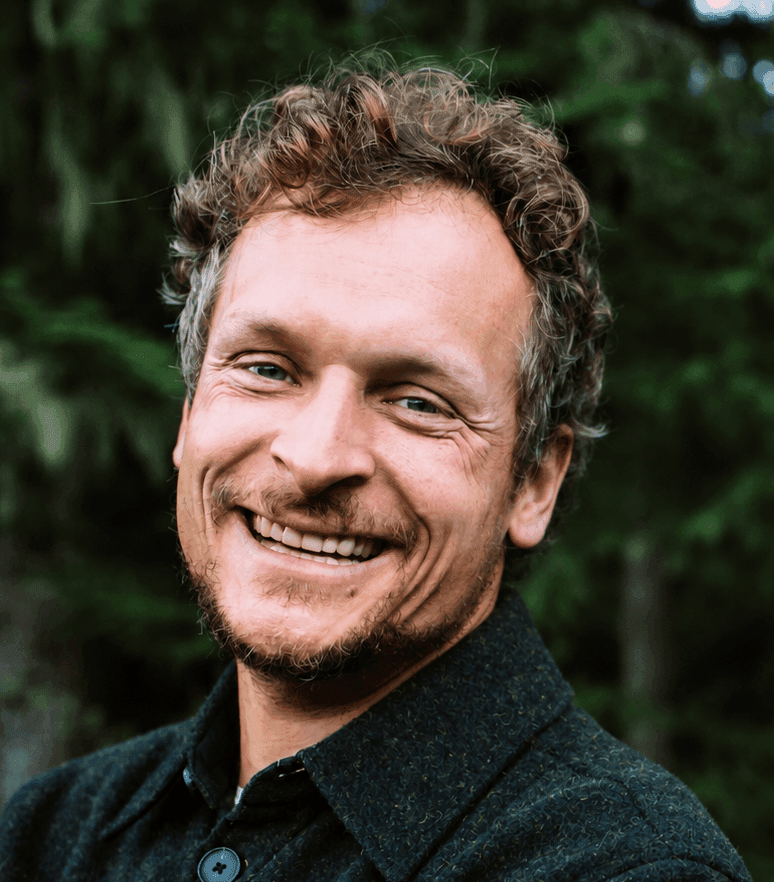
Naturopathic doctor on Salt Spring Island with over 14 years of clinical experience in integrative medicine. McGill University and Boucher Institute of Naturopathic Medicine graduate. Member of the Canadian Association of Naturopathic Doctors.
References & Further Reading
This article is for education and is not a substitute for individual medical advice. For background reading, these independent health authorities offer evidence-based information:
- Erectile Dysfunction — U.S. National Library of Medicine (MedlinePlus)
- Prostate Diseases — U.S. National Library of Medicine (MedlinePlus)
- Hormones — U.S. National Library of Medicine (MedlinePlus)
- About Naturopathic Medicine — Canadian Association of Naturopathic Doctors